Culture
Our museums commemorate the history, the cultural values, the traditions of our town, where exhibitions ensure opportunities for local contemporary artists to also show their work.
Göcseji Village Museum, the first open-air ethnographic museum of the country, settled around the backwater of river Zala crossing the town and an old water mill, that is open for the visitors since 1968, can be found in Zalaegerszeg. A 19th century village of Göcsej has been reconstructed by using the elements of the collection originated from nearly 30 settlements of Zala, where we can see several hundreds of furnishings. The houses of mud walls with thatched roof can be rambled in a charming natural environment.

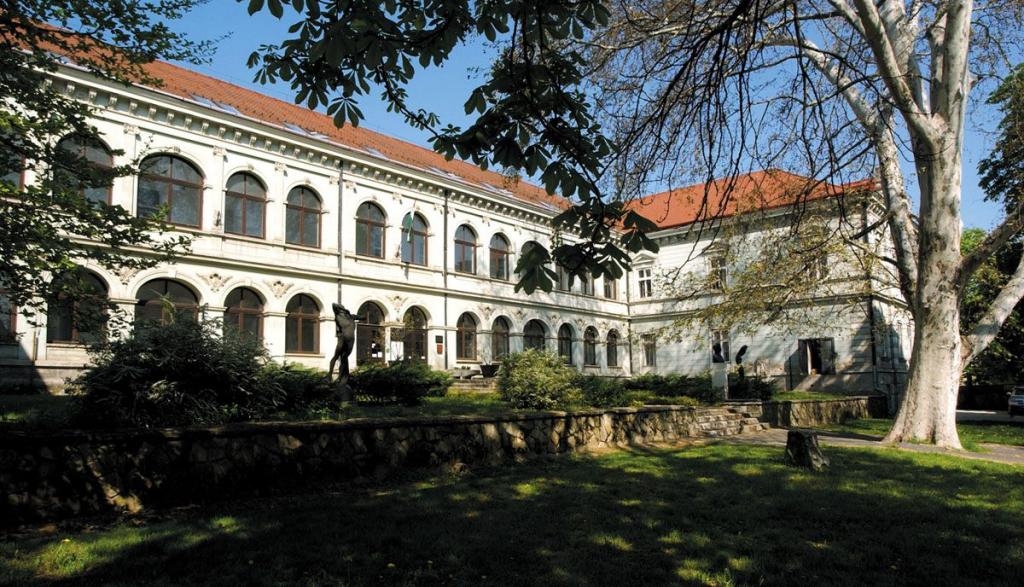
The building of Göcseji Museum, the former savings bank’s palace, that was built in 1890 in eclectic style, nowadays lives the time of reconstructions and currently it gives home for the works of János Németh ceramist, Kossuth- and Munkácsy Prize winner, Artist of the Nation, which are characteristic ones originated from the folk traditions of Göcsej region.
The Hungarian Oil- and Gas Industrial Museum lying next to the Village Museum on an area of 30 thousand square meters, which is the second largest outdoor technical museum of our country, and the second among the most considerable hydrocarbonindustrial ones in Europe, is similarly exciting. The exhibitions show the history of the Hungarian petroleumand gas-industry.

Our traditions and folk crafts can be learned in our museums as well as within the walls of the Gébárti Regional Folk Craft House where we preserve and nurture the living folk art.

A number of exhibitions and concerts are held in the Town’s Concert and Exhibition Hall, that is called „zsini” as a nickname by the local ones. Its excellent acoustics, the organ consisted of 2107 pipes, the ideal size of the auditorium assures a unique venue. The former synagogue has been built in 1904 in eclectic style according to the plans of József Stern. Following the 2nd world-war it has lost its religious function. Reviving its memory a permanent exhibition titled ”The remembrance of the Jews in Zalaegerszeg” has been set up on the first floor.

The high level and entertaining performances of Hevesi Sándor Theatre and Griff Puppet Theatre offer useful and substantial pastime both for the younger and older ones. In summers the plays performed in the framework of the theatre, music, dance programme of Quarter-House offer a high quality entertainment in the open-air theatre.


The Erdődy-Hüvös castle of Botfa
Botfa’s name has been preserved on worn-out documents since 1386 (it was written as “Bathfalwa” at the time) and we also know that in the Middle Ages it was the property of the abbey of Csatár. The owner of the Botfa estate was the Erdődy family for many centuries. They built the castle around 1750, although at that time they were only imagining a one-story Baroque style building, around which they formed a grove based on a contemporary pattern from England (“Anglis”). The famous family remained mostly in Botfa until the end of the XIX. century. In 1880 the new owner, Áron Hirschler remodeled the castle by expanding the building on two sides and adding a romantic bastion. The estate was later inherited by his son József Hüvös, who was deported to a death camp in 1944 because of his Jewish origin. After World War II the furnishings of the abandoned manorial “palace” were pilfered, while the locals tried to find a function for the building. Some of the many things they used it as was a school, a dressmaker’s salon, a cinema and a rental apartment. The Erdődy-Hűvös castle which employed dozens of servants in its heyday has been used as a hotel since 2007. Since 2012 it functions as a youth hostel managed by the Order of Notre Dame Women’s Prebendary Educational Order.

„Art” cinema

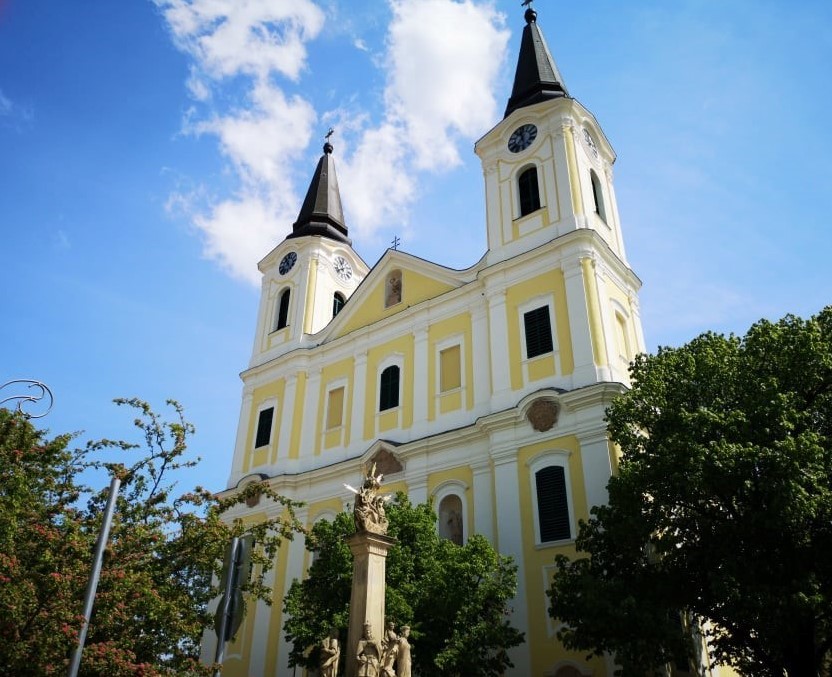
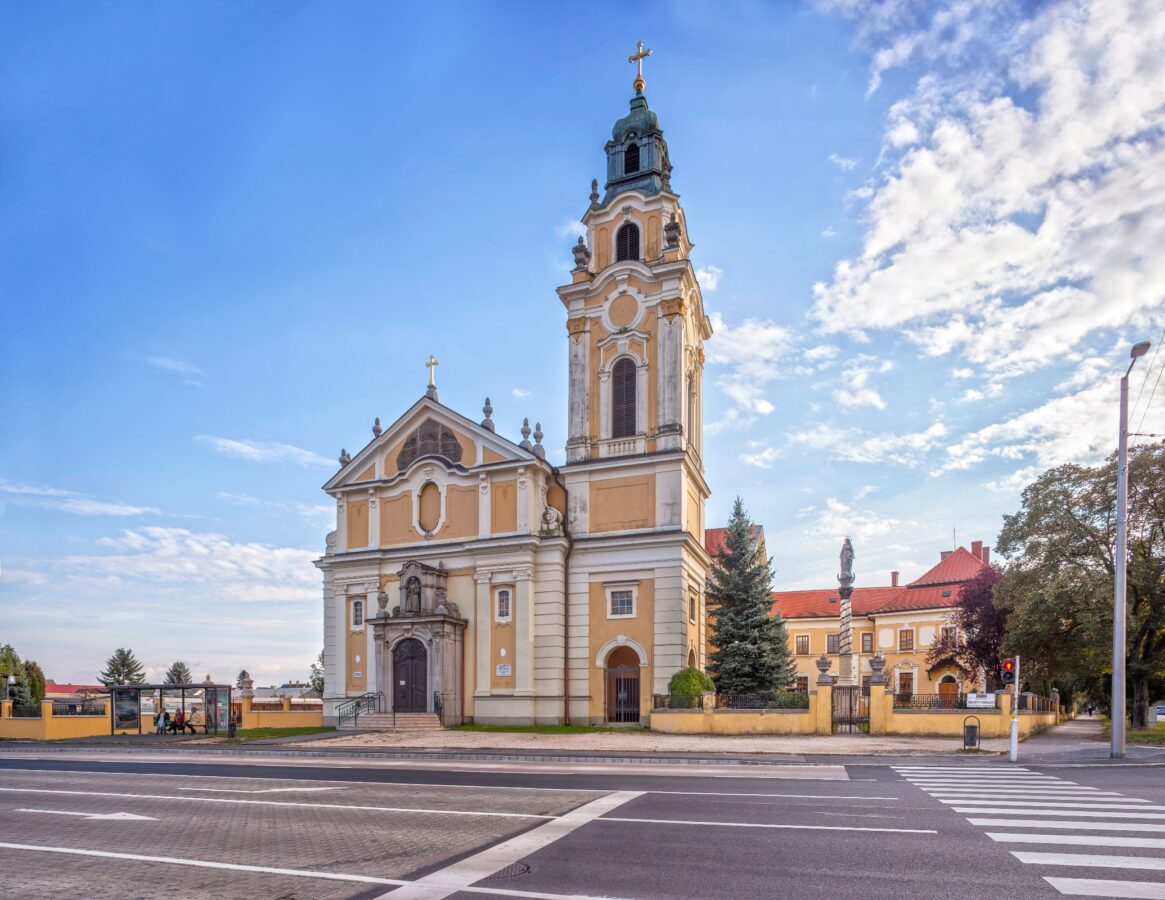
When it comes to touching our culture and heritage, we also have a look at our churches and chapels.